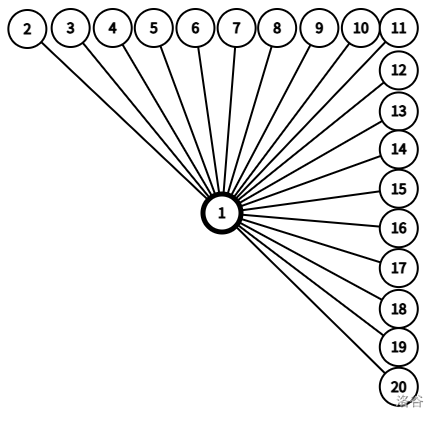
1
2
3
4
5
6
7
8
9
10
11
12
13
14
15
16
17
18
19
20
21
22
23
24
25
26
27
28
29
30
31
32
33
34
35
36
37
38
39
40
41
42
43
44
45
46
47
48
49
50
51
52
53
54
55
56
57
58
59
60
61
62
63
64
65
66
67
68
69
70
71
72
73
74
75
76
77
78
79
80
81
82
83
84
85
86
87
88
89
90
| #include<bits/stdc++.h>
using namespace std;
const int MAXN = 20005;
int q, v, ind = 0;
string s;
int cost[MAXN], val[MAXN];
int vis[MAXN];
int edgeCount;
int head[MAXN], toNode[MAXN], nextEdge[MAXN];
int siz[MAXN], son[MAXN];
vector< vector<int> > f;
int ans[MAXN];
vector< pair<int, int> > era;
inline void addEdge(int from, int to) {
edgeCount++;
toNode[edgeCount] = to;
nextEdge[edgeCount] = head[from];
head[from] = edgeCount;
return;
}
inline int read() {
int x = 0;
char ch = getchar();
while (!isdigit(ch))
ch = getchar();
while (isdigit(ch)) {
x = (x << 1) + (x << 3) + (ch ^ 48);
ch = getchar();
}
return x;
}
inline void dfs1(int from, int father) {
siz[from]++;
for (int i = head[from]; i; i = nextEdge[i]) {
int to = toNode[i];
if (to != father) {
dfs1(to, from);
siz[from] += siz[to];
if (siz[son[from]] < siz[to])
son[from] = to;
}
}
return;
}
inline void dfs2(int from, int father) {
for (int j = cost[from]; j <= v; ++j)
f.back()[j] = max(f.back()[j], f.back()[j - cost[from]] + val[from]);
ans[from] = f.back()[v];
for (int i = head[from]; i; i = nextEdge[i]) {
int to = toNode[i];
if (to != father && to != son[from]) {
f.push_back(f.back());
dfs2(to, from);
f.pop_back();
}
}
if (son[from])
dfs2(son[from], from);
return;
}
int main() {
q = read(), v = read();
f.push_back(vector<int>(v + 1, 0));
vis[0] = 20001;
for (int i = 1; i <= q; ++i) {
cin >> s;
if (s[0] == 'a') {
addEdge(vis[ind], i);
vis[++ind] = i;
cost[i] = read(), val[i] = read();
} else
--ind, era.push_back({i, vis[ind]});
}
dfs1(vis[0], 0);
dfs2(vis[0], 0);
for (auto i : era)
ans[i.first] = ans[i.second];
for (int i = 1; i <= q; ++i)
cout << ans[i] << '\n';
return 0;
}
|